

9 Warning Signs of TMJ and Teeth Grinding and How a Dentist Can Treat Them for Lasting Relief Near Dimondale, Michigan
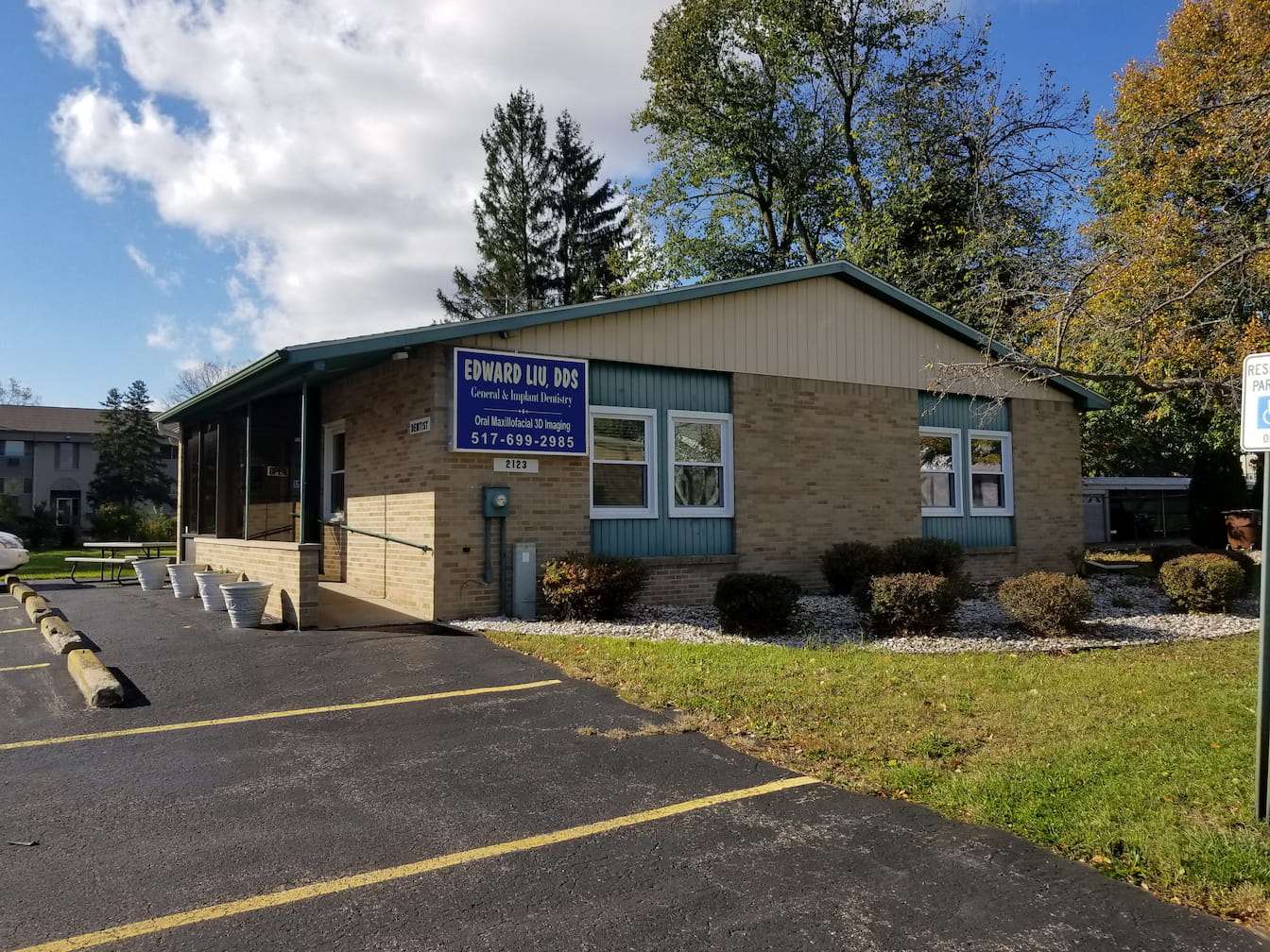
Jaw soreness, headaches, and worn teeth are easy to dismiss, but recurring symptoms may point to TMJ problems or teeth grinding. These concerns are common among adults dealing with stressful jobs, long commutes, or sleep issues. Patients in Dimondale, Michigan, who are searching for a dentist who understands TMJ and teeth grinding do not have to travel far for a focused evaluation. Dr. Edward Liu Sedation and Implant Dentistry in nearby Holt provides personalized care to identify contributing factors, protect teeth from damage, and explore solutions for lasting comfort.
1. Persistent jaw pain or tenderness
Recurring soreness around the jaw joints or chewing muscles may indicate excessive strain from clenching, grinding, or a TMJ disorder. A dental evaluation can help identify patterns of muscle tension, bite problems, or other factors contributing to discomfort.
2. Frequent morning headaches
Waking with headaches around the temples can be associated with nighttime teeth grinding, also called bruxism. Repeatedly contracting the jaw muscles during sleep creates tension that may contribute to morning discomfort.
3. Teeth that look short, flattened, or chipped
Grinding places significant pressure on teeth. Over time, their biting surfaces may become flattened, edges can chip, and small cracks may develop. Dr. Liu can evaluate unusual wear and recommend ways to protect remaining healthy tooth structure.
4. Tooth sensitivity to hot, cold, or pressure
As grinding gradually wears down enamel, teeth may become increasingly sensitive. Small cracks or excessive biting forces can also cause discomfort when chewing. Identifying the source is important because sensitivity can have several possible dental causes.
5. Clicking, popping, or grinding sounds in the jaw
Jaw noises can occur when opening, closing, chewing, or yawning. Occasional clicking without other symptoms does not always require treatment, but persistent noises accompanied by pain, stiffness, or changes in jaw movement deserve professional evaluation.
6. Jaw locking or limited mouth opening
Difficulty opening your mouth fully or experiencing a jaw that temporarily locks can indicate a problem involving the temporomandibular joint. Dr. Edward Liu Sedation and Implant Dentistry can assess jaw movement and symptoms to determine appropriate next steps.
7. Ear pain, fullness, or ringing without an ear infection
Because the temporomandibular joints sit close to the ears, TMJ-related problems can sometimes produce symptoms that feel like ear discomfort. When a medical evaluation rules out an ear condition, discussing persistent symptoms with your dentist may be helpful.
8. Facial, neck, or shoulder muscle tension
Jaw clenching can affect more than the mouth. Overworked muscles may contribute to tightness or soreness extending through the face, neck, or shoulders. Addressing the underlying clenching or grinding may help reduce this strain.
9. Disturbed sleep or snoring associated with jaw clenching
Teeth grinding and clenching often occur during sleep, and some patients may also experience snoring or disrupted rest. Because sleep-related symptoms can have multiple causes, a thorough evaluation helps determine whether dental treatment or further medical assessment is appropriate.
Jaw pain, worn teeth, headaches, or persistent clenching should not become your everyday normal. Call Dr. Edward Liu Sedation and Implant Dentistry at (517) 777-8878 to schedule an evaluation in Holt, Michigan, and learn more about treatment options for patients from Dimondale and surrounding communities.